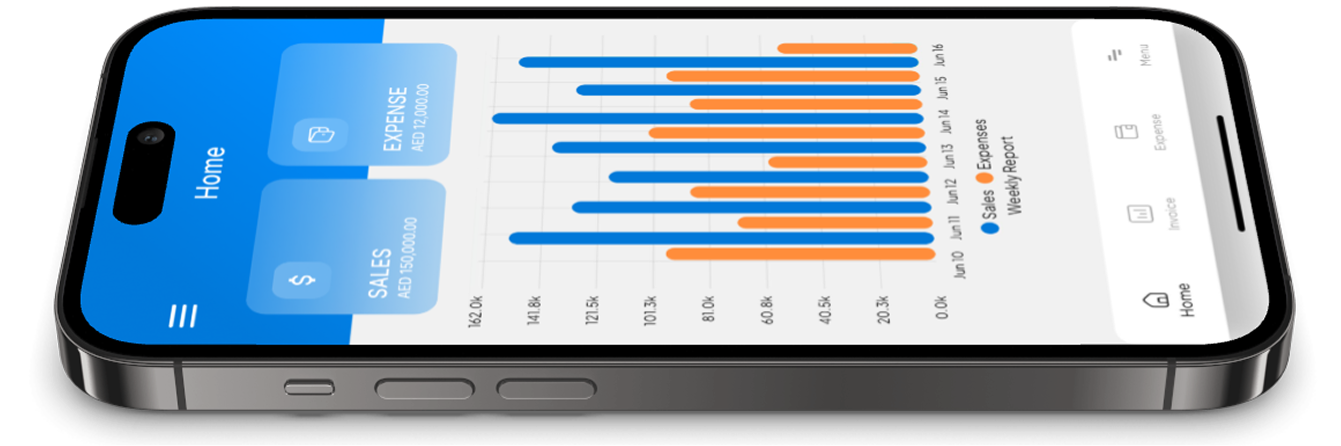
Running a business in 2026 means moving faster, making decisions quicker, and keeping tighter control over cash flow than ever before. Yet many owners still lose hours each week to receipts, spreadsheets, unpaid invoices, and unclear numbers. That is why choosing the best bookkeeping app for your business has become an operational decision, not just an accounting one.
The market is crowded. Some apps focus on invoicing. While others lean into automation, payroll, tax support, or reporting. Many claim to be the best. In reality, the best bookkeeping app for your business is the one that fits your business model, growth stage, and daily workflow.
This guide explains how to compare options wisely, avoid common mistakes, and choose software that still works for you through 2026 and beyond.
Why Choosing the Right Bookkeeping App Matters
Bookkeeping is not only about recording transactions. It shapes how clearly you understand your business.
When your records are current and accurate, you can:
- See profit margins in real time
- Track overdue invoices quickly
- Understand spending patterns
- Prepare for tax season with less stress
- Make faster hiring and growth decisions
- Avoid cash flow surprises
Poor bookkeeping systems create friction. Good systems create visibility.
That is why the software you choose should be treated as a business tool, not just a minor administrative purchase.
Start With Your Business Type
Not every company needs the same features.
A freelancer may need simple invoicing and expense tracking. A retail brand may need stock visibility and payment reconciliation. A growing agency may need team access, recurring invoices, and stronger reporting.
Before comparing apps, define what kind of business you run.
Common Business Needs by Type
Freelancers and consultants
- Invoices
- Payment reminders
- Mileage or expense logs
- Tax estimates
Small businesses
- Bank sync
- Profit and loss reports
- Multi-user access
- Invoice management
Ecommerce stores
- Payment gateway integration
- Refund tracking
- Multi-channel sales sync
- Revenue summaries
Agencies and service firms
- Recurring billing
- Client statements
- Project profitability
- Role permissions
The clearer your model is, the easier it becomes to choose a bookkeeping app for small business needs or a more advanced platform.
Prioritize Automation in 2026
Manual bookkeeping is quickly becoming obsolete. Business owners already manage sales, staffing, customer service, and growth. Repetitive financial admin should not consume valuable hours.
A strong platform should automatically import transactions, organize expenses, match payments with invoices, and simplify recurring billing. Many owners searching for the best bookkeeping app 2026 now place automation above brand recognition.
Automation also reduces human error. Missed entries, duplicate expenses, or delayed records can distort monthly numbers and create stress later.
Modern low-cost tools such as BookBI reflect this shift by helping businesses simplify bookkeeping without enterprise pricing or unnecessary complexity.
Check Reporting Quality
Many companies choose software based on design, then regret it when reporting is weak.
A bookkeeping app should make your financial position clear within minutes. You should be able to understand revenue trends, monthly profit, overdue invoices, and major expense categories without exporting data into multiple tools.
Useful reports often include:
- Profit and loss summaries
- Cash flow views
- Customer balances
- Tax snapshots
- Spending breakdowns
The best platforms translate numbers into clarity. If reporting feels confusing or overly technical, the software may not support real decision-making.
Flexibility Matters More Than Extra Features
Some bookkeeping apps are overloaded with tools most small businesses never touch. Menus become crowded, workflows slow down, and simple tasks take too many clicks.
A better option is flexible software that adapts to how you work. One day you may need fast invoicing. Another day you may need receipt uploads or monthly expense reviews.
Flexibility also matters as your business evolves. Today you may be operating alone. Next year you may have staff, contractors, or multiple revenue streams.
The best bookkeeping app for your business should grow with you instead of forcing a migration later.
Save Time With Everyday Tasks
One of the easiest ways to judge bookkeeping software is to ask how much time it saves each week.
Modern apps should speed up routine tasks such as scanning receipts with a phone camera, uploading invoices in seconds, tracking expenses automatically, and sending payment reminders.
A reliable mobile bookkeeping app can be especially valuable for owners who work on the move. Approving payments, checking balances, or uploading receipts during the day keeps records current without waiting until evening.
Small time savings repeated every week become meaningful quickly. Ten minutes saved daily becomes hours recovered each month.
That is why many owners move away from manual systems — they are not just buying software, they are buying back their time.
Look Beyond Price Alone
Many owners begin by searching for a free bookkeeping app. That can be useful at an early stage, but price alone rarely tells the full story.
Paying premium prices does not automatically mean better bookkeeping. Some platforms charge high monthly fees while offering features many smaller businesses never use. In those cases, businesses end up paying for complexity instead of value.
The smarter question is not which app is cheapest or most expensive. It is which one gives the best return through saved hours, cleaner records, useful reporting, and smoother daily workflows.
In 2026, many businesses are moving toward practical low-cost solutions that cover essential needs without inflated pricing. BookBI is part of that movement, helping companies manage bookkeeping without paying cosmic prices for basic financial tools.
Think About Growth Early
A system that works for ten invoices per month may struggle with one hundred.
As businesses grow, they often need more users, deeper reporting, cleaner approval flows, and stronger financial oversight. Migrating later can be disruptive and time-consuming.
Choosing scalable software early can prevent future headaches. It is easier to expand within one system than rebuild records elsewhere.
Good software should support where your company is going, not only where it is today.
Common Mistakes to Avoid
Many businesses rush this decision and regret it later.
Common mistakes include choosing based only on price, ignoring mobile usability, overlooking reporting quality, and selecting software that cannot scale. Another frequent issue is assuming migration later will be simple.
Some owners also choose tools with impressive marketing but weak day-to-day usability. A modern AI bookkeeping app should save time and simplify work, not add another layer of confusion.
The better approach is to compare platforms against real business needs, not advertising claims.
How to Make the Final Choice
Shortlist two or three serious options. Test each one with real workflows such as sending invoices, categorizing expenses, reviewing reports, and using the mobile app.
The best bookkeeping app for your business is the one that fits your workflow, saves you time, and gives you confidence in your numbers from day one.
Businesses no longer need to overpay for complicated finance tools. The strongest options today combine flexibility, speed, affordability, and clear reporting. For companies looking for a simpler low-cost direction, BookBI reflects how modern bookkeeping software is evolving in 2026.