Quick answer: Most UAE small businesses don’t run out of money because they’re unprofitable. They run out because they can’t see, in real time, who owes them and who they owe. Receivables and payables tracking closes that gap. Done properly, it turns cash flow from a monthly surprise into a number you check the way you check your phone.
A business can show a healthy profit on paper and still miss payroll. That contradiction confuses a lot of first-time founders, and it’s almost always explained by the same thing: unpaid invoices sitting out there, unnoticed, while bills quietly pile up on the other side.
What Receivables and Payables Actually Mean
The terms sound like accountant-speak, but the concepts are simple.
- Accounts receivable (AR) is money owed to your business by clients who haven’t paid yet. If you invoiced a client AED 15,000 and they haven’t settled it, that AED 15,000 is a receivable.
- Accounts payable (AP) is the reverse: money your business owes to suppliers, contractors, or vendors for goods and services you’ve already received but haven’t paid for.
Together, AR and AP make up your working capital position. The gap between them, plus the cash already in your account, tells you what you can actually spend this month, not what your revenue report says you earned.
Why UAE Founders Lose Track of Cash Flow
A few patterns show up again and again in small and mid-sized UAE businesses:
- Invoices are tracked in someone’s memory, not a system. A founder knows “Client X still hasn’t paid” until they don’t, until there are twelve clients and the details blur together.
- There’s no single source of truth. Invoicing happens in one app, payments get confirmed over WhatsApp, and the actual ledger lives in a spreadsheet nobody updates consistently.
- Payables get deprioritized until they’re overdue. Without a payables view, vendor bills only become visible when a vendor calls to chase payment, often after a late fee has already applied.
- Revenue and cash get confused. A signed contract or an issued invoice feels like money in the bank. It isn’t, until it’s collected.
- There’s no aging visibility. Not all overdue invoices are equal: a client 5 days late is a different problem than one 60 days late, but without an aging report, they look the same.
None of these are signs of bad management. They’re what happens by default when a business scales past the point where memory and spreadsheets can keep up.
The Real Cost of Not Knowing Who Owes You
The cost isn’t abstract. It shows up in three specific ways:
- Cash flow gaps. You extend informal credit to every client by default, because you’re not tracking payment terms or due dates closely enough to enforce them.
- Strained vendor relationships. Missed payables, even accidental ones, erode trust with suppliers you’ll need again next quarter.
- Weak negotiating position. Without historical data on what a client has bought or paid over time, there’s no leverage to renegotiate terms, request deposits, or flag a client who’s becoming a collection risk before it’s a real problem.
Late payments are one of the most cited cash flow risks for small businesses globally, and the fix isn’t chasing harder. It’s seeing the problem earlier.
How to Track Receivables and Payables Properly
A working system doesn’t need to be complicated. It needs four things:
- A live list of every open invoice, with issue date, due date, and amount, updated the moment an invoice goes out or a payment comes in.
- An aging view, grouping receivables by how overdue they are (current, 1–30 days, 31–60 days, 60+ days), so you know where to focus first.
- A payables mirror of the same thing: every bill you owe, when it’s due, and whether paying it early unlocks a discount or paying late triggers a penalty.
- A weekly review habit. Ten minutes on the same day each week, checking what’s overdue on both sides, catches problems while they’re still small.
The businesses that stay on top of cash flow aren’t necessarily better negotiators. They just look at the numbers more often, because looking at them is easy.
Statements of Account: The Underused Tool
A Statement of Account (SOA) is a running summary of all transactions with a specific client or vendor: every invoice, payment, credit, and balance, in one document. Most founders only think to generate one when a dispute comes up. That’s backwards.
Shared proactively, an SOA does two things: it gives a client no room to claim confusion about what they owe, and it signals that your business runs on clean records, which tends to speed up payment on its own. On the vendor side, a clear statement of your purchase history is exactly what you need to negotiate volume discounts or better terms.
How BookBI Handles This
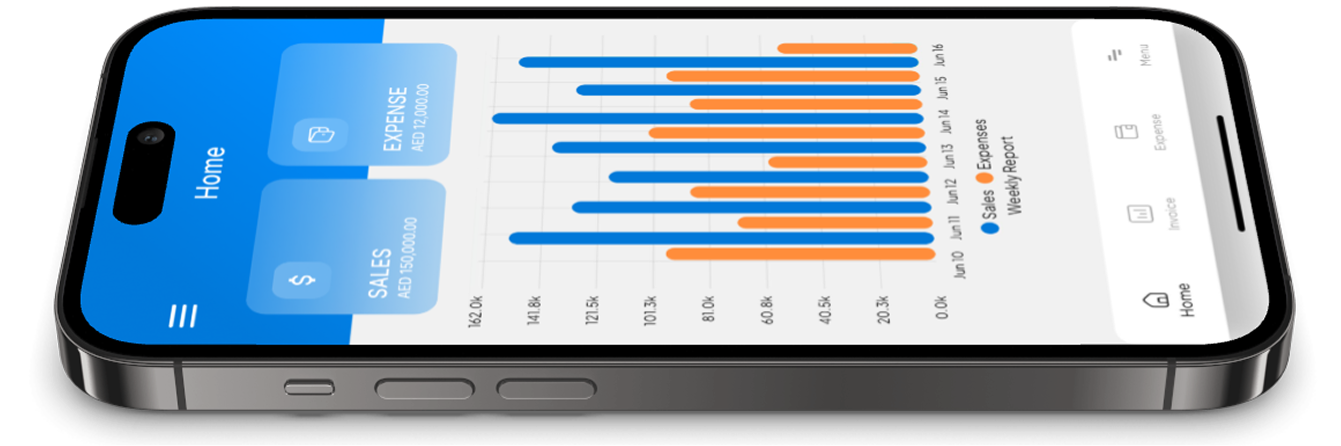
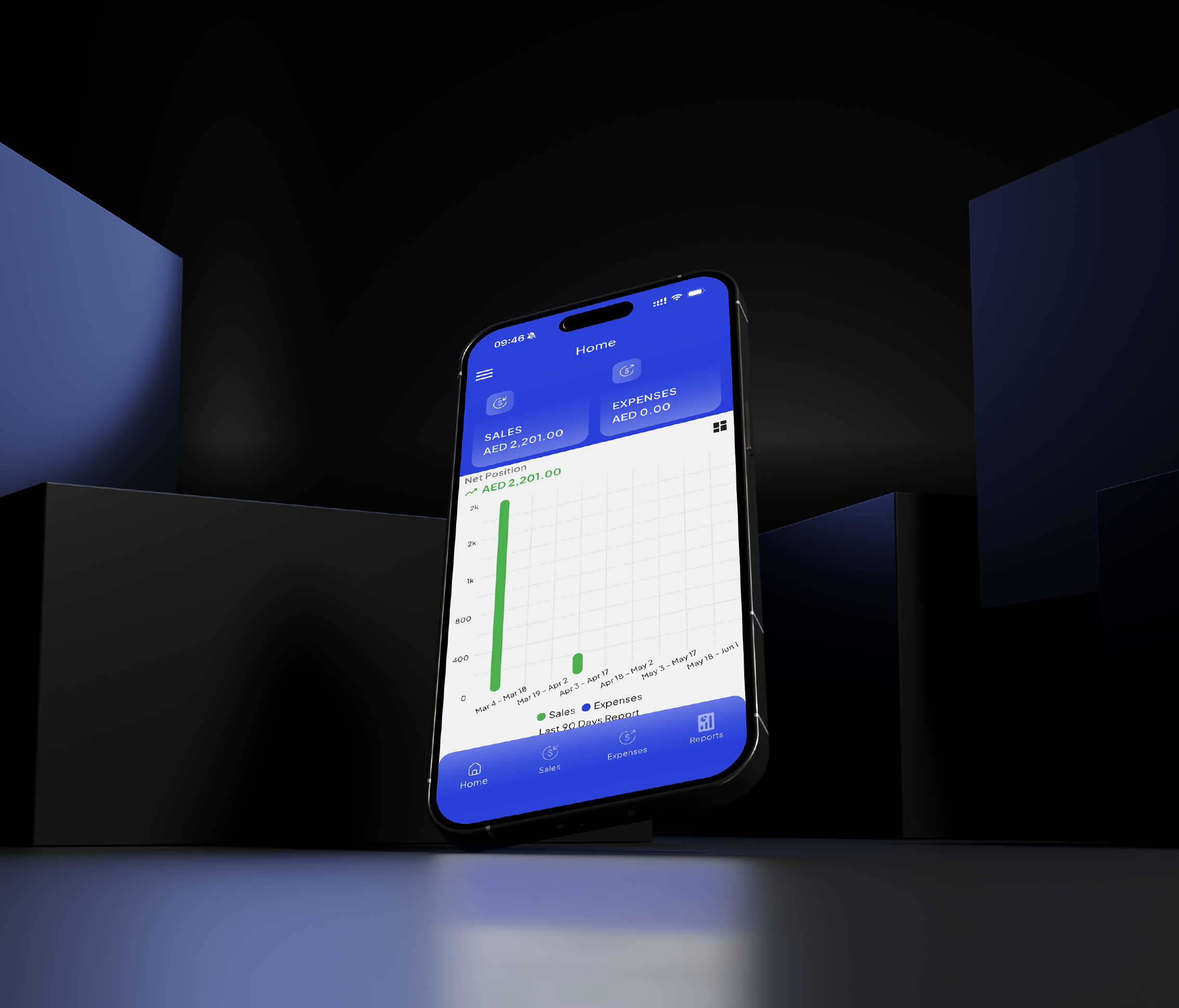
This is precisely the gap BookBI is built to close. Instead of piecing together AR and AP from separate invoicing tools, bank apps, and spreadsheets, BookBI keeps a real-time receivables and payables view inside the app, so you always know who owes you, how much, and how overdue it is, alongside what you owe and when it’s due. Client and vendor statements generate in one tap, pulling directly from the transaction history already in the system, so there’s no manual reconciliation before you can send one.
A Simple Weekly Cadence
Founders who never chase overdue invoices in a panic tend to follow something close to this rhythm:
- Monday: Check the receivables aging list. Send a friendly nudge on anything 7+ days overdue.
- Wednesday: Review payables due in the next 7 days. Confirm nothing slips past its due date.
- Friday: Glance at the net cash position (receivables minus payables minus committed expenses) before planning next week’s spending.
It takes under 30 minutes a week and eliminates most of the surprises that come from finding out a client hasn’t paid in three months.
Common Mistakes That Undo a Good System
Even founders who set up a tracking system well can undermine it in small ways:
- Waiting too long to follow up. A friendly reminder at day 3 or 4 past due gets a better response than a stern one at day 45. The tone matters less than the timing.
- Treating every client the same. A client who’s always paid on time and is 2 days late needs a different approach than one with a pattern of slow payments. Historical data makes that distinction obvious instead of guesswork.
- Not separating “invoiced” from “collected.” Some founders count an invoice as revenue the moment it’s sent. It should only count as cash once it’s actually paid, otherwise budgeting decisions get made on money that hasn’t arrived yet.
- Letting payables slide because cash is tight. It’s tempting to delay a vendor payment when cash is short, but doing this without visibility into the knock-on effects (late fees, damaged terms, a vendor who stops extending credit) usually costs more than it saves.
Fixing these doesn’t require new tools so much as a habit of checking the same numbers on a fixed schedule, which is exactly what a weekly cadence is designed to build.
BookBI is an AI-powered accounting app built for UAE entrepreneurs, whether or not they have a finance background. It automates expense tracking, invoicing, and receivables and payables reporting so founders can see their cash position in real time, without hiring in-house finance staff. Accountants and bookkeepers managing multiple clients also use BookBI to keep AR and AP current across accounts without manual reconciliation.