Spreadsheets are the default tool of modern business. They’re familiar, flexible, and – at least at the start – feel “free.” But as soon as a company moves from a handful of transactions to daily activity, the spreadsheet stops being a system and starts becoming a risk.
That’s where a mobile accounting app changes the game. For founders who live on their phones, a mobile accounting app isn’t just a prettier spreadsheet – it’s digital bookkeeping for entrepreneurs: built to capture receipts in real time, create invoices consistently, reduce errors, and keep records ready when a bank, investor, or tax deadline suddenly demands proof.
Below is a clear look at accounting app vs spreadsheets – and why the right business accounting app is quickly becoming the backbone of small business accounting tools, especially for companies that need reliable UAE accounting software.
Spreadsheets feel simple – until they become expensive
A spreadsheet is great at one thing: holding numbers. It’s not great at holding the story behind the numbers – where a transaction came from, what proof supports it, who changed it, and whether it meets compliance rules.
In practice, spreadsheets create predictable problems:
One file becomes five versions (“Final_v7_REALFINAL.xlsx”).
Receipts sit in WhatsApp, email, or camera rolls with no connection to the entry.
Categories get guessed, then forgotten.
Errors quietly multiply.
And unlike an accounting platform, spreadsheets rarely prevent mistakes. They only reveal them later – when later is the worst possible time.
That’s the core difference between accounting app vs spreadsheets: spreadsheets record what you type; a mobile accounting app helps stop the wrong things from being typed in the first place.
1) Real-time capture turns “later” into “done”
The first big win of a mobile accounting app is speed – because it lives where life happens: your phone. If you’re serious about clean books, the goal is simple: capture the record when the transaction happens, not weeks later.
A strong expense tracker app lets you:
snap a receipt the moment you pay,
store it with the transaction,
keep it searchable and organized.
This is why digital bookkeeping for entrepreneurs works best on mobile: founders don’t “go back to the office” to do admin anymore. They move.
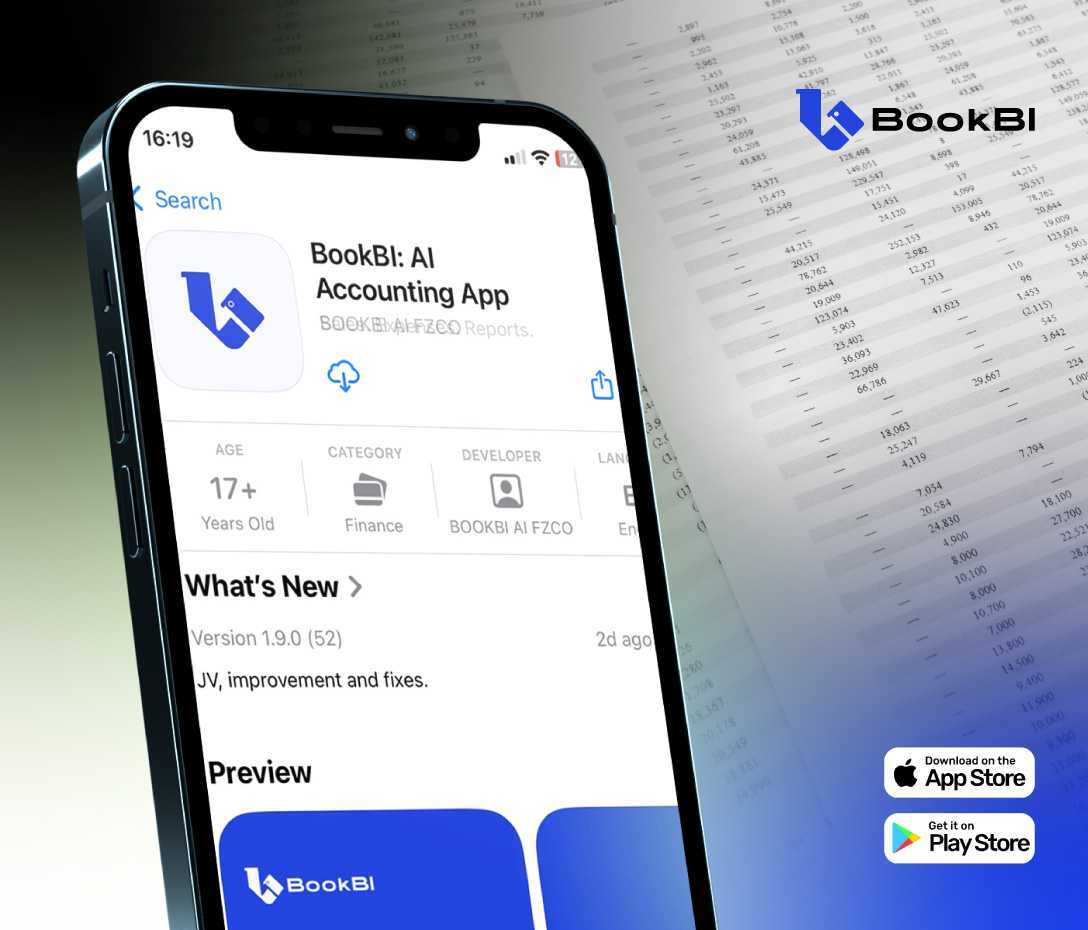
BookBI, for example, is designed to capture receipts and invoices, process them with AI, and generate reports quickly.
2) Fewer common accounting errors – because the system checks you
Spreadsheets are polite. They will happily accept:
- duplicated entries
- missing VAT information
- negative totals
- broken formulas
- inconsistent categories
A well-designed business accounting app is less polite – in a good way. It guides users and flags mistakes early, which is how you reduce common accounting errors without hiring a full-time finance team.
In the UAE context, this matters even more. BookBI is described as being programmed to create FTA-compliant invoices, check TRNs, and send VAT filing reminders.
Questions and Answers DMCC Conf…
That’s the practical benefit of UAE accounting software: it reduces “oops” moments that can turn into real penalties.
3) Faster invoicing, faster cash
Cash flow breaks when invoicing breaks.
Spreadsheets can create invoices, but they don’t enforce consistency. An invoicing app does: it standardizes templates, numbering, client fields, and follow-ups. When you invoice faster and more consistently, you tend to get paid faster – and your records become easier to audit.
A modern mobile accounting app typically helps you:
- issue invoices in minutes
- avoid missing client details
- track what’s paid vs. unpaid
If you’re choosing between small business accounting tools, don’t underestimate the value of a strong invoicing app – because it’s not just “documents,” it’s cash discipline.
4) An audit trail you can trust (and explain)
When a bank, investor, or tax advisor asks, “What is this transaction?” the spreadsheet answer is often: “Give me a moment.”
A mobile accounting app is built for traceability:
receipts attached to expenses,
invoices linked to income,
who created/edited entries,
time stamps and logs.
This is digital bookkeeping for entrepreneurs at its most practical: not just knowing the number, but proving it.
5) Collaboration without chaos
Most founders eventually need someone else inside the books: a co-founder, an admin, an external accountant, or a tax consultant.
Spreadsheets collaborate badly. People overwrite cells. Version control becomes a daily fight. Sensitive info gets copied and forwarded.
A business accounting app typically supports:
multi-user access,
permissions,
cleaner handoffs to accountants.
This is one reason many founders start with spreadsheets but move toward a mobile accounting app as soon as transactions pick up.
6) Built-in compliance habits (especially in the UAE)
Many founders don’t “fail compliance” in one dramatic moment. They fail it in small delays: missing receipts, inconsistent invoices, last-minute scrambling before filing.
Good UAE accounting software creates better habits:
reminders,
structured client setup,
consistent invoice rules,
reporting that’s closer to submission-ready.
BookBI specifically states it sends reminders for VAT filing deadlines and helps keep UAE tax law in mind in its workflow.
That’s not just convenience – it’s risk reduction.
7) Security that’s designed for financial data
Spreadsheets are often shared via email, WhatsApp, or public links. That’s not a moral failing – it’s just what happens when tools aren’t built for sensitive data.
A serious mobile accounting app treats security as a feature, not a footnote: encryption, controlled access, and secure authentication.
BookBI states it is built on Microsoft Azure, transmits data with encryption over SSL, stores data in UAE regional data centres, and uses secured authentication methods (JWT/OAuth).
If you’re weighing the best accounting app, this is a non-negotiable category – especially for businesses handling large payments, payroll, or client financial records.
8) Better reporting with less effort
Spreadsheets can produce reports, but they require you to build them – then maintain them – then rebuild them when something changes.
A mobile accounting app is built to generate useful outputs from routine input:
income vs. expenses,
category summaries,
basic profitability snapshots.
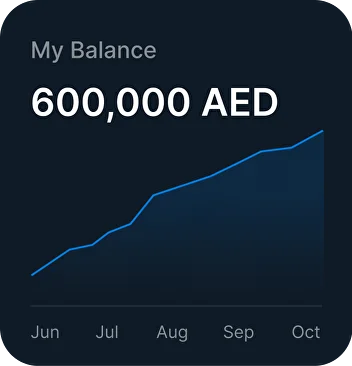
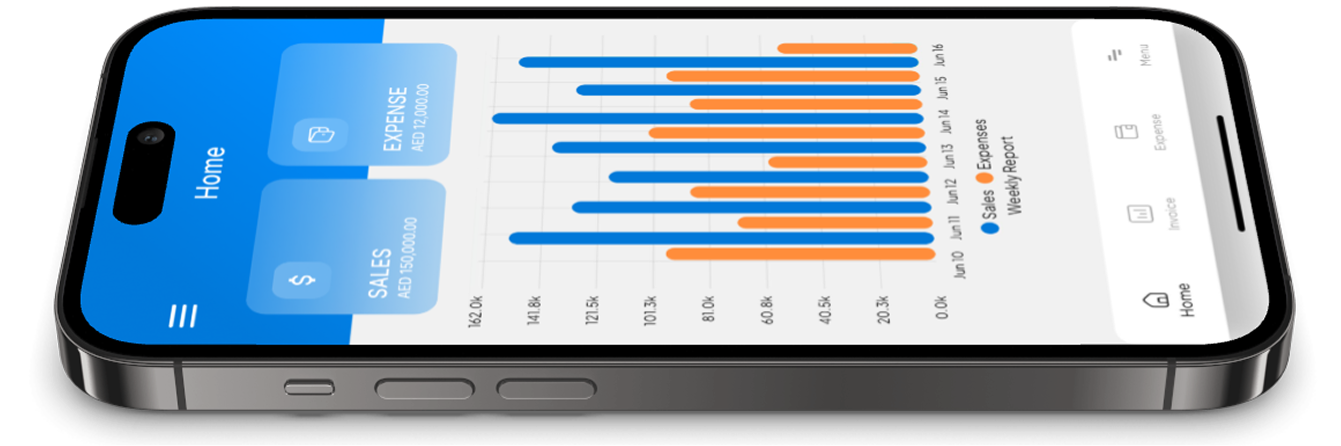
BookBI describes generating reports in seconds after processing receipts and invoices with AI.
This is why small business accounting tools are shifting toward apps: founders want clarity without spending Sunday nights wrestling formulas.
When spreadsheets still make sense
Spreadsheets aren’t the enemy. They remain great for:
forecasting and scenario planning,
pricing models,
investor models,
“what-if” analysis.
The smarter approach is division of labor:
Use spreadsheets for modeling.
Use a mobile accounting app for daily records, invoicing, receipt capture, and compliance.
That’s the healthiest, most realistic accounting app vs spreadsheets conclusion.
How to choose the best accounting app for your business
If you’re searching for the best accounting app, use a practical checklist:
Does it work well as an expense tracker app (fast capture + searchable storage)?
Does it include a strong invoicing app (consistent invoices + tracking)?
Is it designed as UAE accounting software if you operate in the UAE (VAT habits, reminders, local workflows)?
Does it produce reports you actually understand?
Does it offer security designed for financial data?
For many founders, the right mobile accounting app becomes a quiet advantage: fewer errors, faster invoicing, cleaner records, and calmer compliance – true digital bookkeeping for entrepreneurs, built for the pace of real life.